How Voting Works
Resolutions at the annual meeting require a majority of votes calculated by share of ownership. Understanding how your udziały translate into voting weight is the starting point for any participation.
Read more
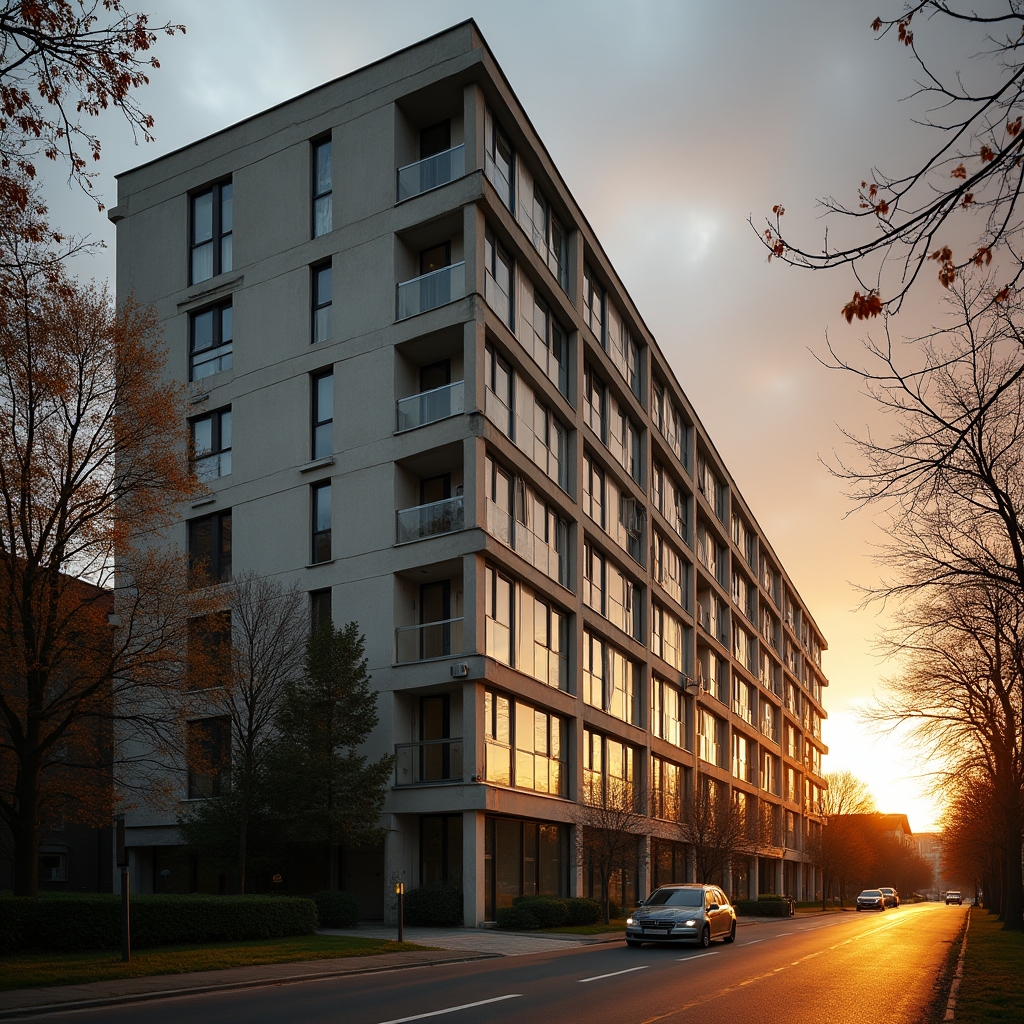
Voting procedures, zarządca responsibilities, the fundusz remontowy, financial reports — all drawn from publicly available Polish housing law.
This resource draws on the Act of 24 June 1994 on Ownership of Premises (Ustawa o własności lokali) and related regulations. No legal advice is given or implied. Information is educational only.
The legal framework for apartment co-ownership in Poland creates rights and obligations that affect you whether you attend meetings or not.
Resolutions at the annual meeting require a majority of votes calculated by share of ownership. Understanding how your udziały translate into voting weight is the starting point for any participation.
Read moreThe property manager handles common areas, insurance, maintenance contracts, and legal compliance. Knowing the boundary between collective and individual responsibility prevents costly misunderstandings.
Read moreAnnual accounts must be presented at the owner meeting. Learn which line items relate to the fundusz remontowy, what the operating cost breakdown means, and what questions are worth asking.
Read moreArticle 25 of the Act on Ownership of Premises gives owners the right to challenge a resolution within six weeks. The grounds, the timeline, and the court process each have specific rules worth knowing in advance.
Read moreThe fundusz remontowy is a collective savings mechanism. Monthly contributions from all owners accumulate into a fund that finances major repairs to shared elements — roof replacement, facade renovation, elevator overhaul, stairwell upgrades, and central heating infrastructure.
Individual apartment interiors are not covered. Broken pipes inside your flat, worn flooring, or window replacement in your unit are your responsibility. The boundary is the structural shell and everything that serves multiple apartments simultaneously.
Contribution rates are set by resolution and shown as a per-square-metre amount. The fund balance and planned expenditures should appear in the annual financial report.
The zarządca is required to convene an owner meeting at least once per year, typically in the first quarter. Written notice must reach owners in advance. The agenda must be specified — owners vote only on items listed.
Voting happens in two ways. First, each owner present casts a vote. If no majority emerges, or if any owner demands it, voting by ownership share applies. Your share is the ratio of your apartment's floor area to total building floor area.
Resolutions pass with more than half the total share of all owners — not just those attending. An owner who cannot attend can grant written proxy to another person.
Polish co-ownership law distinguishes clearly between nieruchomość wspólna (common property) and the individually owned lokale. The zarządca manages common property on behalf of all owners collectively.
Common property includes the structural elements of the building, shared corridors, stairwells, the roof, basement storage areas used collectively, the land parcel, and shared technical installations. Costs for these are split according to ownership share.
Your flat's interior is yours to maintain. This covers interior walls, floor coverings, your own electrical circuit from the apartment's distribution board, and your own plumbing fixtures. Insurance for your apartment contents is also your own responsibility.
Article 25 of the Act on Ownership of Premises (Ustawa o własności lokali) allows any owner to bring a court action to annul a resolution they consider unlawful, contrary to the community's governing documents, or harmful to the owner's interests.
The six-week period runs from the date the resolution was adopted at a meeting, or from the date you were notified if the vote was conducted in writing. Missing this deadline extinguishes the right to challenge.
The claim goes to the district court (sąd okręgowy) for the location of the property. Filing a challenge does not automatically suspend the resolution — you would need to apply separately for interim relief to prevent its implementation while the case proceeds.
A poorly maintained building costs every owner. Deferred roof repairs lead to water damage. A neglected fundusz remontowy means sudden large special levies. Understanding the process lets you participate meaningfully rather than simply absorb consequences.
Co-owners who engage with meeting agendas, ask questions about financial reports, and understand how resolutions can be challenged are better positioned to protect their investment.
Browse All Articles
Understanding the rhythm of the calendar year helps you know when to expect notices, when decisions will be made, and when deadlines matter.
The zarządca sends written notice to all owners. The agenda must be specified. This is the primary moment for approving the previous year's financial report and setting the budget for the coming year, including fundusz remontowy contribution rates.
Six weeks after resolutions are adopted, the right to challenge under Article 25 expires. Owners who disagree with decisions made at the Q1 meeting must act within this window if they intend to pursue a court challenge.
Larger repair projects — facade work, roof repairs, communal area upgrades — are typically contracted and executed during warmer months. This is when fundusz remontowy expenditures are most visible in practice.
The zarządca typically prepares next year's financial plan during autumn. Owners may receive draft budgets for review. This is a natural time to raise concerns about planned expenditures before they become binding resolutions.
The accounting period closes on 31 December. The zarządca compiles income, expenditure, and fund balance data that will form the basis of the annual report presented at the following year's meeting.

The annual report presented at the owner meeting should show income from owner contributions, expenditures by category, the fundusz remontowy balance and transactions, and any outstanding liabilities.
Key things to look for: whether actual expenditure matched the approved budget, the current fundusz remontowy balance versus planned future repairs, and whether any debt exists from unpaid contributions by other owners.
You have the right to inspect the financial documentation. The zarządca must make it available. Requesting a full breakdown in writing creates a record of your inquiry.

When a headcount vote fails to produce a majority, the calculation shifts to ownership share. Here is how that process unfolds step by step.
Read articleThe legal obligations of a property manager go beyond collecting fees. Understanding the scope of the role helps owners recognise when expectations are reasonable.
Read article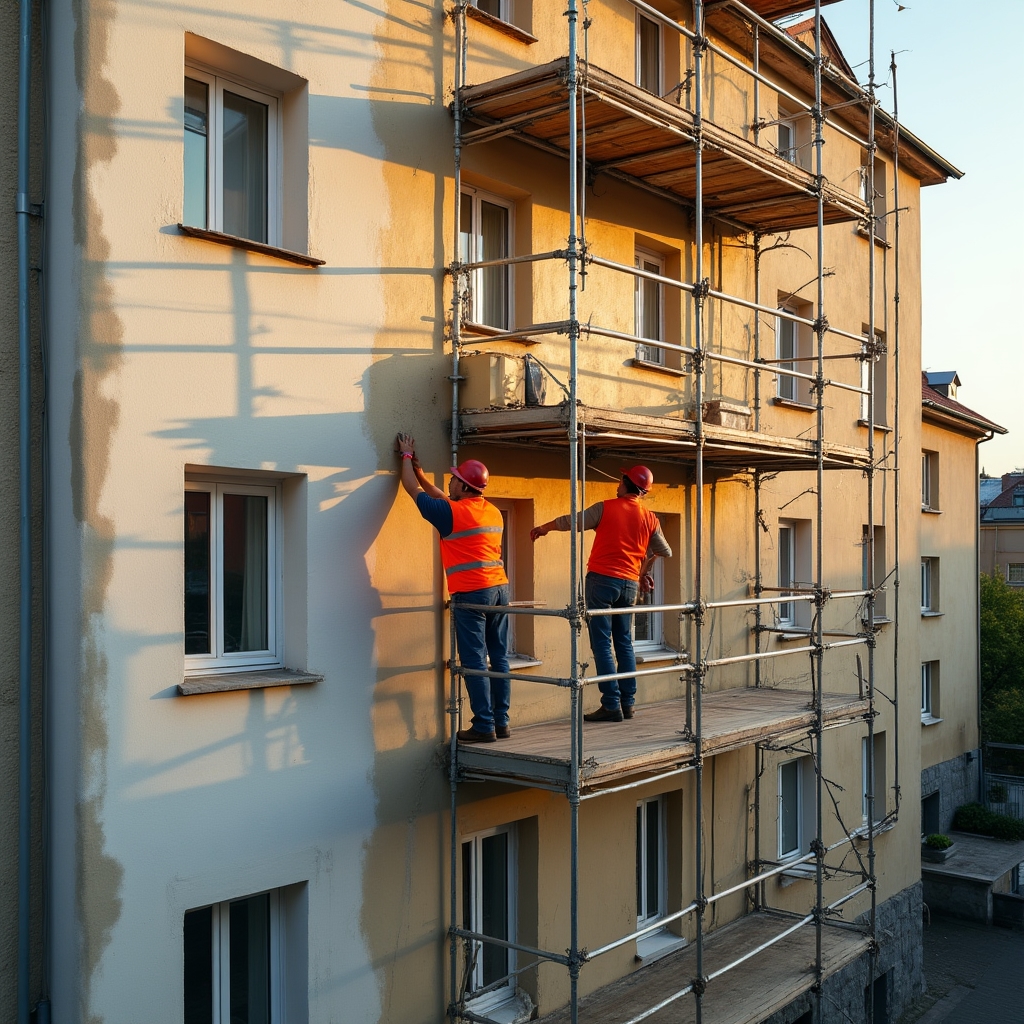
Not every repair comes from the communal fund. This breakdown clarifies which elements qualify and which remain the individual owner's cost.
Read article