
Your Bike, Your Building, Your Rights
Polish housing law gives co-owners collective power over how common spaces are used. That includes bicycle storage, access routes, and internal regulations about cycling.
What Can the Community Decide?
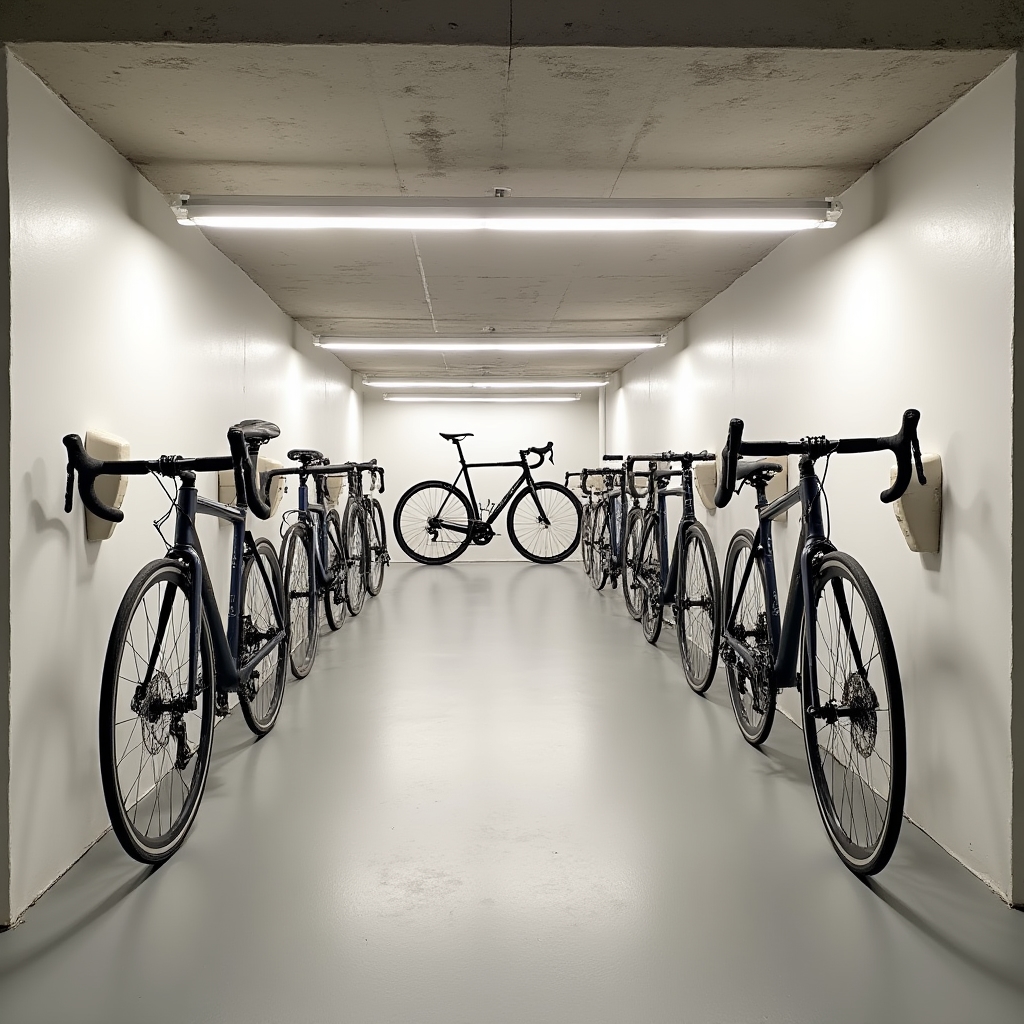
The wspólnota mieszkaniowa has broad authority to regulate the use of shared spaces through resolutions. This includes decisions about whether bicycles may be stored in stairwells, basements, or a designated room. It also covers rules about cycling in shared courtyards.
Rules set by resolution are binding on all owners and their tenants. A resolution prohibiting bikes in stairwells applies even if individual owners disagree. Similarly, a resolution establishing a dedicated bike storage room creates an obligation to fund and maintain it collectively.
If no resolution addresses cycling, the default is the general obligation to use common areas in a way that does not damage them or interfere with other owners' use. Leaving a bike in a shared corridor in a way that blocks access is generally inconsistent with this obligation even without a specific rule.
Cycling and Co-Ownership Law
Proposing a Bike Room
Any owner can request that an item be added to the agenda of the annual meeting, or can gather support from owners holding at least one-tenth of the total share to compel an extraordinary meeting. A proposal to convert unused basement space into a bicycle room would be decided by resolution.
Who Pays for Bike Infrastructure
If the community resolves to install bike racks, convert a room, or add secure entry for a bike storage area, the cost comes from the operational budget or the fundusz remontowy depending on the nature of the work. All owners contribute according to their share.
Internal Regulations
The community may have a regulamin (internal regulations document) that sets out rules for common area use. This document is adopted by resolution and can be amended by resolution. Rules about cycling, bike storage, and access are commonly found here.
When Rules Feel Unreasonable
A resolution that prohibits all bicycle storage in a building without providing an alternative may be challengeable under Article 25 if it can be shown to harm an owner's legitimate interests disproportionately. The six-week window applies here as with any other resolution.
Understanding Your Position
If You Want a Bike Room
Start by checking whether a resolution already covers this topic. Ask the zarządca for the current internal regulations and any relevant past resolutions. If none exist, consider raising the item at the next annual meeting or gathering support from other owners to put it on the agenda.
A concrete proposal with an estimated cost is more likely to pass than a vague request. The zarządca can provide quotes for the work needed, which gives the meeting something specific to vote on.
If a Rule Affects You Negatively
Read the resolution text carefully. Understand exactly what it prohibits or requires. If you believe it was adopted incorrectly, or that it harms your interests in a way that is disproportionate to its purpose, the Article 25 challenge mechanism exists for precisely this situation.
If the issue is enforcement rather than the rule itself — for instance, the zarządca is not enforcing a rule equally — raise this in writing with the zarządca, and if unresolved, consider raising it at the owner meeting.
Want to Understand the Broader Framework?
Cycling issues are just one area where co-ownership law shapes daily life in an apartment building. The articles section covers voting procedures, financial reports, and the full scope of zarządca obligations.